You spend eight or ten hours a day around acid, and your hands, eyes and lungs usually get all the safety attention. Your teeth rarely come into the conversation. Over months and years, though, airborne acid can soften the surface of the enamel, and the front teeth often take the brunt of it. Dentists call this occupational tooth erosion, and it can build up without a toothache to warn you. If you work with acids, this article covers which environments may carry the risk, how the wear shows up, and what you can do on site and at the dentist.
Occupational Tooth Erosion: What Acid at Work Can Do to Your Enamel
Erosion is the loss of tooth surface dissolved by acid, and it’s a different thing from decay, which is driven by bacteria and sugar. At work, the acid can come from fumes, mist or splashes in the air around you. Enamel doesn’t grow back once it’s worn, so early changes are worth catching. A dentist can tell whether wear looks like acid erosion, but diet and reflux can cause similar wear, so appearance alone can’t always point to your job. Workplace exposure may add to the load in these ways:
- Acid vapour or mist settling on the teeth across a shift, day after day.
- Mouth breathing while you work hard, which may carry more of that air past your front teeth.
- Acidic or sugary drinks sipped during the same shift, which add to the acid your teeth already meet.
Which Jobs Cause Tooth Erosion? Work Environments That Can Carry the Risk
There’s no fixed list of jobs that wear teeth down, and results vary between individuals. The risk may depend on which acids are in use, how well the air is controlled and how long the exposure lasts. A few settings come up more often when dentists talk about workplace dental erosion.
Battery, Plating and Galvanising Work
Battery manufacture and recycling, metal plating and galvanising can involve acid baths or acidic solutions that give off fumes or fine mist. Where that mist hangs at mouth height, acid fumes and teeth meet regularly, not once in a while. Industrial enamel wear tends to build slowly over years, which makes it hard to spot. How much reaches you depends on ventilation, extraction and how the job is set up.
Laboratory and Chemical Handling Roles
Lab technicians, water-treatment staff and anyone who mixes or decants cleaning chemicals may handle acids in smaller amounts but more often. Pouring and mixing can release vapour even in small volumes, and repeated contact adds up.
How Do Acid Fumes Damage Front Teeth?
Acid dissolves the minerals in enamel. When airborne acid lands on a tooth and mixes with saliva, the surface can soften a little. Saliva neutralises acid and helps put minerals back, and it usually keeps up with an occasional hit. The trouble starts when contact is frequent and long, because the enamel never gets a recovery window. Your front teeth sit closest to the air you breathe through your mouth, so they may show wear first.
Why Mouth Breathing at Work Can Increase Exposure
Heavy lifting, heat, dust and a respirator that makes breathing harder can all push you toward mouth breathing. Air moving through an open mouth passes straight over the front teeth and dries them, which may reduce the protection saliva gives and leave acid sitting there for longer. Mouth breathing doesn’t mean you’ll develop erosion, but combined with fumes it may raise the acid your front teeth meet over a shift.
The Erosion Pattern a Dentist May Recognise on Worn Enamel
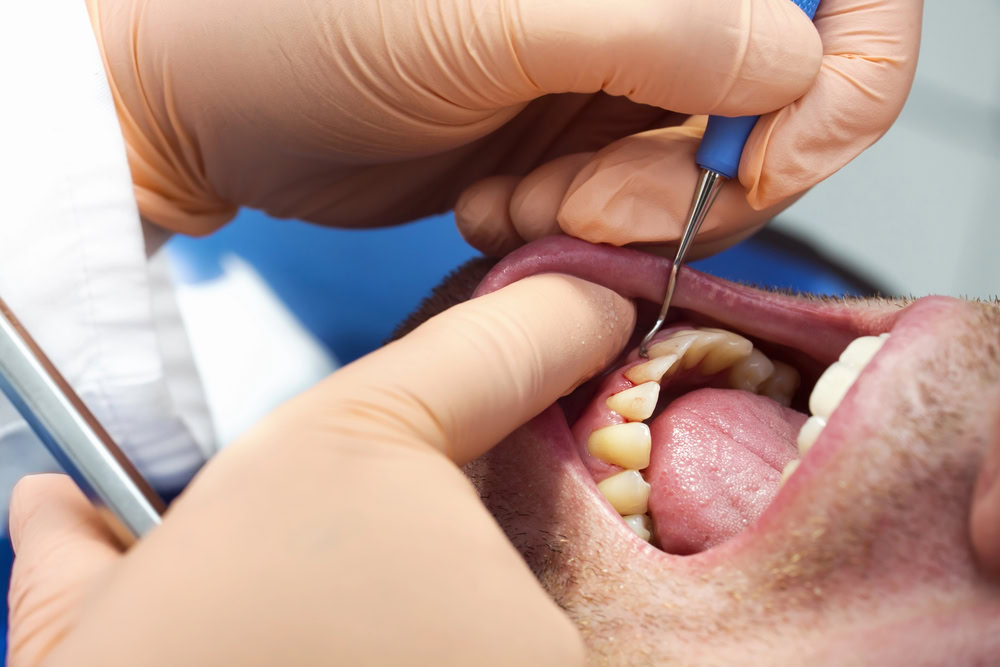
A dentist may spot these signs of erosion from workplace exposure, and from other acid sources:
- Surfaces that look smooth and shiny, which the Better Health Channel’s dental erosion page describes.
- Front teeth that look shorter, or edges that look thin and slightly see-through.
- A yellow tint where thinning enamel lets the dentine underneath show.
- Sensitivity to hot, cold or sweet food and drink.
- Small chips along the biting edges.
Once the surface has worn, only a dentist can replace the lost structure. Depending on how much has gone, that may involve fillings or dental crowns for worn teeth, and suitability depends on individual circumstances.
What Protective Equipment Does and Does Not Cover for Your Teeth
A well-fitted respirator may cut down the fumes you breathe in, but it isn’t designed as a dental measure, and a few gaps can still leave your teeth exposed:
- A mask that doesn’t seal well around the face.
- Acid mist that collects on your lips or teeth and is still there when you take the respirator off at a break.
- Residue on gloves, hands or drink bottles that ends up in your mouth.
Whether a respirator lowers the exposure to your teeth depends on the equipment, the fit and the work. Questions about gear belong with your safety officer.
Rinsing and Timing Routines for Your Teeth on Site
What Helps During a Shift
Your site’s safety rules come first. Once you’re out of the exposure zone, for example at a meal break, a few habits may help limit how long acid stays on your teeth:
- Rinse your mouth with water, or a fluoride mouth rinse if you have one.
- Wash your hands and face before you eat or drink, so residue doesn’t travel to your mouth.
- Drink water through the shift instead of sipping acidic or sugary drinks.
If a tooth chips or turns suddenly sore between reviews, get seen by an emergency dentist rather than waiting for the next check.
Why Brushing Straight After Can Make Enamel Wear Worse
A sour or metallic taste makes scrubbing feel like the right move. But acid-softened enamel wears faster under a toothbrush, so brushing right after contact may add to the damage. The Australian Dental Association’s erosion guidance suggests waiting 60 minutes before brushing, while the Better Health Channel says at least 30 minutes, so the exact figure varies between sources.
Why Occupational Exposure Is Worth Raising at a Dental Check
Early erosion is hard to see yourself, and a regular check is where it often gets picked up. Telling the dentist which acids you work around gives them a reason to look closely and rule other causes in or out. A preventive dental review in Mount Druitt or nearby is a sensible place to start, and a preventive check-up and clean lets your dentist track any change over time. A workplace health check in St Marys may not include a look at your teeth, so a dental visit covers a different gap. Results vary between individuals, and this is general information, not a diagnosis.
Frequently Asked Questions About Occupational Tooth Erosion
Which Trades Are Most Affected?
There’s no reliable ranking. Settings where acid fumes or mist are in the air, such as battery, plating, galvanising and laboratory work, may carry more risk, but individual exposure varies a lot. Only an assessment can show whether your job is a factor. Patients coming from Penrith for a tooth erosion consultation can expect questions about both work and lifestyle. This is general information only.
Does a Respirator Protect My Teeth?
It may reduce the fumes you breathe in, but it isn’t made to protect your teeth, and fit and residue on your lips or hands can still matter. Never remove protective equipment inside an exposure area, and take gear questions to your safety officer. This isn’t workplace safety advice.
What Does Early Erosion Look Like?
It can be subtle. Teeth may look a little smoother or shinier, slightly shorter, or feel more sensitive to cold air and drinks, and some people notice a yellow tint. Plenty of people notice nothing at all, and results vary between individuals.
Can Worn Enamel Be Restored?
Worn enamel doesn’t regrow. A dentist can replace lost structure with treatments such as fillings or crowns, and reducing further acid contact may help slow more wear. What suits you depends on your individual circumstances and needs an in-person assessment.
Should I Mention My Job at a Dental Appointment?
Yes, it helps. When you request a dental appointment, add a line about the acids or chemicals you work around. It gives the dentist context, though it doesn’t replace an examination, and what’s suitable depends on your individual circumstances.
Enamel Wear Assessment in St Marys for Work-Related Tooth Erosion
If you work around acids and your front teeth look shinier, shorter or more sensitive than they used to, Western Sydney Smiles can examine the enamel, ask about your work and talk through what the findings may mean. Treatment suitability depends on individual circumstances, and nothing here replaces an in-person assessment. You can book an enamel wear assessment online and bring a list of the acids or chemicals you handle.