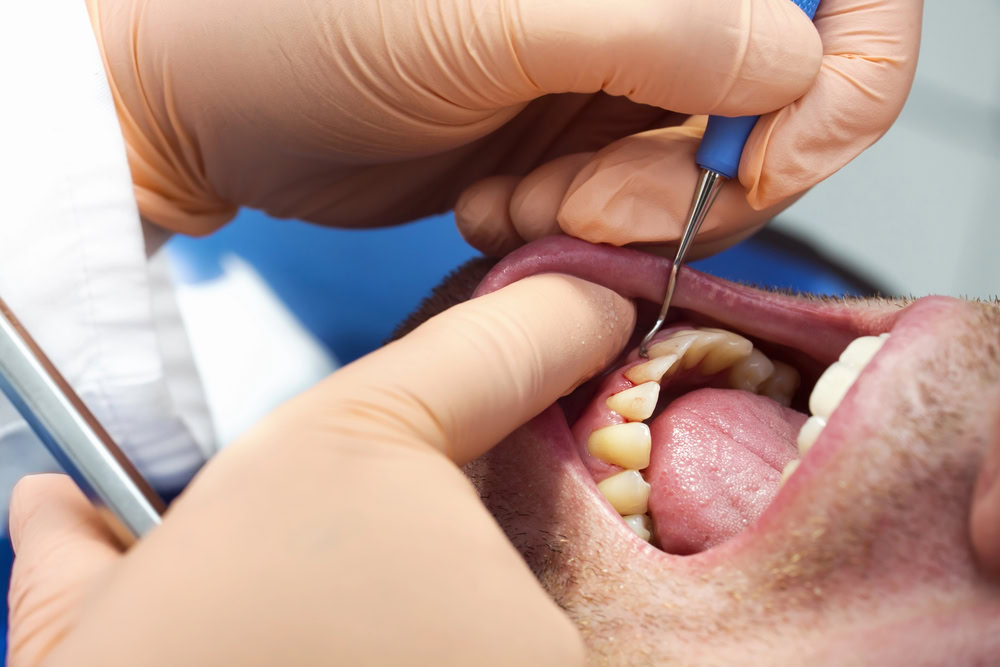
That sharp, sudden zing from your morning coffee or a cold drink on a hot day isn’t something you have to just live with, even if it’s become a habit to sip carefully and avoid the front teeth. Sensitive teeth hot and cold drinks discomfort is common, and while the sensation itself feels similar for most people, the underlying cause can be quite different from one person to the next. It can show up gradually over months, or seemingly overnight after a filling, a whitening treatment, or a change in diet.
The Fix Depends on the Actual Cause
There’s no single treatment that works for everyone, because tooth sensitivity has more than one possible cause. Sensitive teeth causes and treatment options range from a simple toothpaste swap through to addressing an underlying issue like a cracked tooth or worn filling. Results vary between individuals, and getting the right diagnosis first tends to save time and discomfort in the long run.
What Sensitivity Actually Feels Like
Tooth sensitivity is usually a short, sharp pain that comes on quickly when something hot, cold, sweet or acidic touches the tooth, and settles once the trigger is removed. Common triggers include:
- Hot drinks like coffee or tea
- Cold drinks, ice cream or iced water
- Sweet foods and drinks
- Cold air, particularly noticeable outdoors or on-site in winter
- Brushing or flossing around the affected tooth
If the pain lingers well after the trigger is gone, rather than fading quickly, that’s often a sign of something more than simple sensitivity, and it’s worth having it checked sooner rather than later.
For tradies and anyone working outdoors around St Marys and Mount Druitt, sensitivity can feel worse in winter, when moving between a hot thermos and cold air on-site triggers discomfort throughout the day. Energy drinks and sports drinks, both common on job sites, are also acidic enough to gradually wear down enamel over time, which can make existing sensitivity worse without you necessarily noticing the cause.
Common Causes of Sensitive Teeth
Worn Enamel and Exposed Dentine
Underneath the hard enamel layer of your teeth sits a softer layer called dentine, which contains tiny nerve-connected tubules. When enamel wears down from brushing too hard, grinding, or acidic food and drink, dentine can become exposed, allowing hot and cold sensations to reach the nerve more easily. This is one of the most common causes of everyday tooth sensitivity.
Gum Recession
When gums pull back from the tooth, the root surface underneath is exposed, and this area doesn’t have the same enamel protection as the crown of the tooth. According to healthdirect Australia, gum recession exposes the surface of the tooth’s root, which makes the tooth sensitive to cold and sweet foods and drinks. Gum recession can be caused by gum disease, brushing technique, or simply changes that happen over time.
Cracked Teeth, Cavities or Worn Fillings
A crack, a cavity, or a filling that’s worn down or come loose can all create a pathway for hot and cold sensations to reach the nerve of the tooth. Unlike general sensitivity, pain from these causes is often localised to a single tooth rather than spread across several.
Teeth Whitening
Whitening treatments can cause temporary sensitivity in some people, particularly in the days immediately after treatment. This usually settles on its own, though it’s worth mentioning to your dentist before booking teeth whitening if you already deal with sensitive teeth, so they can recommend an approach suited to you.
Fixes and Treatment Options
Finding relief from sensitive teeth hot and cold drinks pain usually starts with figuring out the cause before jumping to a fix, since treating the wrong thing rarely helps for long.
At-Home Changes Worth Trying First
For mild, general sensitivity, a few simple changes can make a noticeable difference over a few weeks:
- Switching to a desensitising toothpaste designed for sensitive teeth
- Using a soft-bristled toothbrush and a lighter touch
- Cutting back on acidic foods and drinks, or rinsing with water afterwards
- Avoiding brushing immediately after acidic food or drink, since enamel is temporarily softer
- Swapping a sports or energy drink for water where practical during a shift
It’s worth giving any toothpaste change a genuine trial of several weeks before deciding whether it’s helping, since desensitising ingredients typically need repeated use to build up an effect.
When a Dental Visit Is the Right Next Step
If at-home changes haven’t helped after a few weeks, or the pain is localised to one tooth, it’s worth booking a check-up rather than assuming it’s just going to settle. Your dentist can check for decay, worn fillings or cracks that need direct treatment. If decay has reached the inner part of the tooth, tooth fillings may be enough to resolve the sensitivity, while deeper nerve involvement may mean root canal therapy is discussed as an option.
According to the Australian Dental Association, if sensitivity persists after the trigger has been removed, it may be a sign of tooth decay, and it’s worth seeing a dentist to work out the specific cause.
When to See a Specialist
Most sensitivity cases are managed by a general dentist, but ongoing gum recession or complex cases involving several teeth may be referred to a specialist for further assessment, particularly where gum health is a factor rather than the tooth itself. This isn’t common, but it’s a normal part of getting to the bottom of persistent or unusual sensitivity.
A referral doesn’t mean the situation is more serious than expected, it simply means a specific area of expertise, such as periodontal treatment, may get better long-term results than general management alone.
Common Questions About Sensitive Teeth
Why Are My Teeth Suddenly Sensitive to Hot and Cold Drinks?
Sudden sensitivity can have several causes, including worn enamel, gum recession, a cracked tooth or a cavity. It’s worth having it checked if it’s new or getting worse, since the cause and the right fix depend on individual circumstances.
Can Desensitising Toothpaste Actually Fix Sensitive Teeth?
It can help with mild, general sensitivity, though results vary between individuals and it usually needs a few weeks of regular use before you notice a difference. It won’t resolve sensitivity caused by decay or a cracked tooth, which need direct treatment instead.
Is Tooth Sensitivity a Sign of Something Serious?
Not always, but persistent or worsening sensitivity can be an early sign of tooth decay, gum disease or a cracked tooth. Getting it checked earlier rather than later may help avoid more involved treatment down the track.
Does Teeth Whitening Always Cause Sensitivity?
No, not everyone experiences it, and when it does happen it’s usually temporary. If you already have sensitive teeth, it’s worth mentioning this before starting any whitening treatment so your dentist can suggest a suitable approach.
How Long Does Tooth Sensitivity Usually Last?
This depends on the cause. Sensitivity from a recent whitening treatment often settles within a few days, while sensitivity from worn enamel or gum recession may persist until it’s addressed. Your dentist can give you a clearer idea once they’ve assessed the cause.
Can Diet Really Affect Tooth Sensitivity?
Yes, acidic foods and drinks, including citrus, soft drinks, and sports or energy drinks, can gradually wear down enamel and make sensitivity worse over time. Reducing how often you’re exposed to these, or rinsing with water afterwards, may help alongside other treatment, though results vary between individuals depending on the underlying cause.
Book a Check-Up for Sensitive Teeth at Western Sydney Smiles
If sensitive teeth hot and cold drinks pain has become part of your daily routine, the team at Western Sydney Smiles in St Marys can help work out what’s behind it and talk you through what may be suitable for your situation. We see patients from Mount Druitt, Colyton, Oxley Park, Werrington and Kingswood for general, preventative and emergency dental care. Book with Western Sydney Smiles to arrange a check-up.