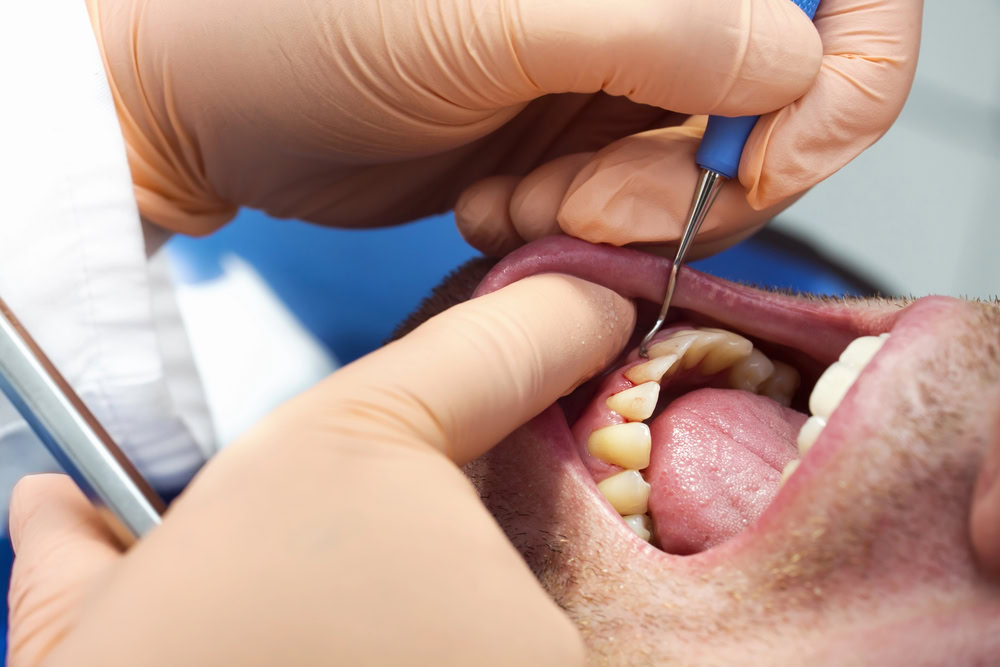
Noticing that a tooth looks a little longer than it used to, or feeling a new twinge of sensitivity along the gum line, is often the first sign that gums have started to recede. It’s a gradual change, which is part of why so many people don’t notice it happening until it’s already underway. One of the most common questions that comes up once people do notice is whether can receding gums grow back on their own, or whether the only direction is worse.
No, but Further Recession Can Be Managed
The honest answer is that gum tissue generally doesn’t regenerate by itself once it’s lost. What can change is whether the recession keeps progressing. With the right treatment and habits, further recession can often be slowed or stopped, and in some cases the appearance of the gum line can be improved with specific procedures. Results vary between individuals, and what’s realistic for you depends on the cause and extent of the recession.
What Causes Gum Recession
Gum recession rarely has just one cause. Common contributors include:
- Gum disease, which is the most common underlying cause
- Brushing too hard or using a firm-bristled brush
- Genetics, since some people naturally have thinner gum tissue
- Teeth grinding or clenching, which can put uneven pressure on the gum line
- Smoking, which affects gum health and healing
- Ageing, since gum tissue naturally thins over the decades
Because there are several possible causes, working out which one applies to you is an important part of choosing the right treatment approach.
Brushing Habits That Make It Worse
It’s a common misconception that brushing harder cleans teeth better. In reality, aggressive brushing, particularly with a firm-bristled brush or a sawing side-to-side motion, can wear away gum tissue at the point where it meets the tooth. Over months and years, this contributes to recession in exactly the areas people are trying hardest to keep clean. Switching to a soft-bristled brush and a gentler technique won’t reverse existing recession, but it may help prevent it from getting worse.
Signs to Watch For
Gum recession tends to develop slowly, so it’s worth knowing what to look out for rather than waiting for it to become obvious:
- A tooth appearing longer than it used to
- Sensitivity to hot, cold or sweet foods along the gum line
- A visible notch or dip where the gum meets the tooth
- Gaps appearing between teeth that weren’t there before
- The gum line looking uneven from one tooth to the next
If you notice any of these, it’s worth having it checked rather than waiting to see if it changes on its own.
Treatment Options for Gum Recession
Non-Surgical Approaches
For mild to moderate recession, treatment often starts with addressing the underlying cause, such as treating gum disease with a professional clean, adjusting brushing technique, or managing teeth grinding. According to healthdirect Australia, taking care of your mouth can help prevent swollen and inflamed gums, and it’s important to keep brushing and flossing gently even if gums are sensitive, since this helps gradually clear the plaque contributing to the problem.
When a Specialist May Be Involved
More advanced or localised recession, particularly where a graft or surgical option is being considered, is generally managed by a periodontist rather than a general dentist. Your dentist may refer you to a specialist for this kind of assessment if the recession is significant or isn’t responding to non-surgical management.
According to the Australian Dental Association, common signs of gum disease include redness, swelling and bleeding, and it’s worth seeing a dentist if you notice ongoing changes to your gums so the underlying cause can be properly managed.
Preventing Further Recession
A few habits can help protect the gum tissue you still have, even if some recession has already occurred:
- Brush gently with a soft-bristled brush, twice a day
- Floss daily using correct technique rather than forcing floss into tight spaces
- Have regular professional cleans to manage plaque and tartar buildup
- Address teeth grinding if it’s an ongoing issue, which may involve a night guard
- Avoid tobacco products, which affect gum healing and health
Related Restorative Considerations
In some cases, exposed root surfaces from recession are more prone to decay, since the root doesn’t have the same enamel protection as the crown of the tooth. If decay develops in this area, tooth fillings may be recommended to protect the tooth and stop the decay progressing further.
When Recession Leads to Deeper Problems
Left unmanaged for a long time, gum recession can allow decay or infection to reach deeper into a tooth. If that happens, root canal therapy may be discussed as a way to save the tooth rather than lose it. In more advanced cases, where bone and gum support around a tooth has broken down significantly, tooth extraction can sometimes become the more realistic option. This isn’t the outcome for most patients, but it’s part of why addressing recession earlier tends to keep more options on the table.
Common Questions About Receding Gums
Can Receding Gums Grow Back Naturally?
No, gum tissue generally doesn’t regenerate on its own once it’s lost. Treatment can help stop further recession and, in some cases, restore some coverage through specific procedures, but this depends on individual circumstances and the extent of the recession.
How Do I Stop Gum Recession From Getting Worse?
Addressing the underlying cause, whether that’s gum disease, brushing technique or teeth grinding, is usually the starting point. Gentle brushing, daily flossing and regular professional cleans may help slow or stop further recession, though results vary between individuals.
Is Gum Recession Always a Sign of Gum Disease?
Not always, though gum disease is the most common cause. Genetics, brushing habits, teeth grinding and smoking can all contribute as well. A dentist can help identify which factors are involved in your particular case.
Does Gum Recession Always Need Treatment?
This depends on the extent of the recession and whether it’s actively progressing. Mild, stable recession may just need monitoring, while ongoing or worsening recession is worth addressing sooner rather than later to help protect the tooth and root underneath.
Book a Gum Health Assessment at Western Sydney Smiles
If you’ve noticed your gum line changing or teeth feeling more sensitive than usual, and you’re wondering whether can receding gums grow back on their own, the team at Western Sydney Smiles in St Marys can assess what’s going on and talk you through what may be suitable for your situation. Book with Western Sydney Smiles to arrange an assessment.