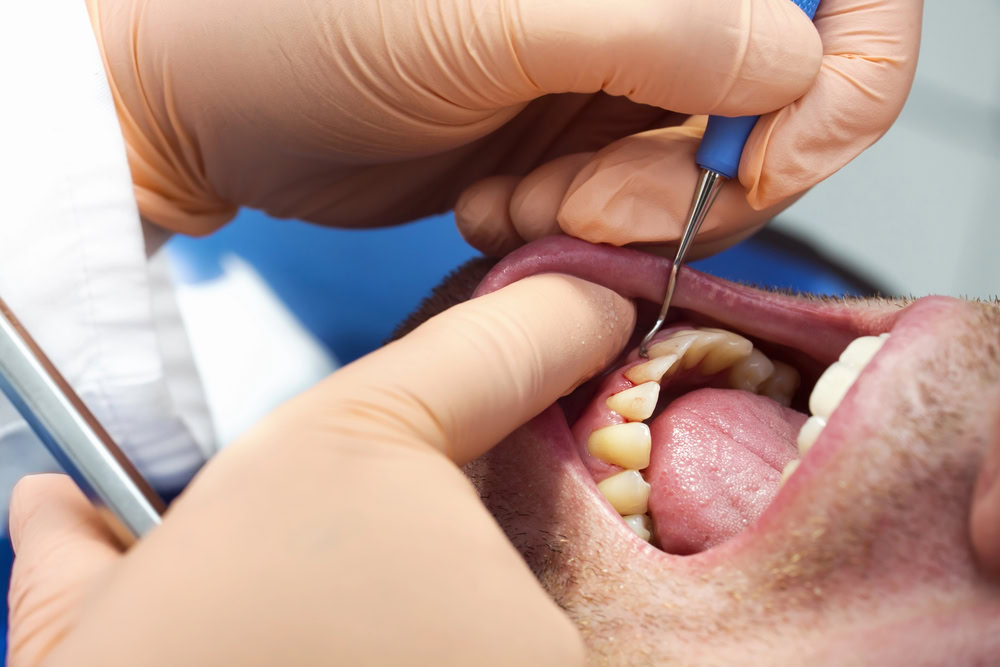
Most adults have four wisdom teeth waiting to come through at the back of the mouth, usually appearing sometime in the late teens to mid-twenties. For a lot of people, they never cause a problem and simply settle into place. For others, a wisdom tooth gets stuck against another tooth or bone on its way through, which is what dentists call impacted. Not every impacted wisdom tooth needs to come out straight away, but some do, and knowing the difference is what impacted wisdom teeth surgery decisions really come down to.
Signs Your Wisdom Teeth Might Need Attention
Wisdom teeth don’t always announce themselves loudly. Some signs build up gradually, while others show up as a sudden flare. Common signs that your wisdom teeth might need attention include:
- Pain or tenderness at the back of the jaw, especially when chewing
- Swollen or red gum tissue around the back molars
- A bad taste or odour that doesn’t go away with brushing
- Difficulty opening your mouth fully
- Repeated infections in the same spot
- Crowding or shifting in your other teeth
According to healthdirect Australia, wisdom teeth that don’t come through fully can become stuck against other teeth or bone, which often leaves a flap of gum over the tooth and makes the area harder to keep clean. This is part of why impacted lower wisdom teeth are more prone to repeated infection than teeth that come through cleanly.
If any of these signs sound familiar, it’s worth getting the area checked rather than waiting for things to settle on their own.
Monitoring Versus Extraction: How Dentists Decide
Not every impacted wisdom tooth is treated the same way, and the decision between monitoring and extraction depends on individual circumstances rather than a fixed rule. It’s rarely a simple yes or no, and two people with a similar-looking X-ray can end up on different paths depending on their symptoms, age and overall dental health. Broadly, dentists tend to weigh up two paths.
When Monitoring May Be Enough
A wisdom tooth that’s impacted but symptom-free, with healthy gum tissue and no sign of decay or crowding, can sometimes be left alone and reviewed at regular check-ups. Monitoring allows your dentist to track any change in position, decay risk or gum health over time, and to step in before a small issue becomes a bigger one.
When Extraction Tends to Be Recommended
Extraction is more likely to come up when there’s active pain, infection, cyst formation, damage to the neighbouring tooth, or when the position of the tooth is making it impossible to clean properly. In these cases, leaving the tooth in place can allow the problem to keep recurring or worsen over time.
Imaging and Positioning Checks
You can’t fully assess an impacted wisdom tooth by sight alone, since a lot of what matters is happening beneath the gum line and inside the jawbone. This is where imaging comes in. An X-ray or scan lets your dentist see the exact angle and depth of the tooth, its position relative to nerves and the jawbone, and whether it’s pressing against the tooth beside it.
These imaging and positioning checks are a routine part of the wisdom teeth decision factors your dentist works through before recommending a path forward, and they help avoid surprises once treatment is underway.
Wisdom Teeth Decision Factors Worth Knowing
A few things typically shape whether monitoring or extraction is the right call for you, including:
- How deeply impacted the tooth is and which direction it’s angled
- Whether there’s active pain, infection or cyst formation
- The condition of the tooth next to it
- Your ability to keep the area clean day to day
- Your age, since healing and root development can affect treatment timing
If several of these factors point toward ongoing risk, impacted wisdom teeth surgery may be raised as an option worth discussing, with tooth extraction being the procedure itself. For more complex positioning, such as a tooth angled into the jawbone or close to a nerve, your dentist may refer you to a specialist or oral surgeon for further assessment.
According to the Australian Dental Association, wisdom teeth are often impacted because something is stopping them from coming through fully, and it’s worth seeing a dentist for personalised advice if you’re having ongoing issues.
FAQ
How Do I Know if My Wisdom Teeth Are Impacted?
The only reliable way is a dental check-up with an X-ray, since impacted wisdom teeth aren’t always visible or painful. Symptoms can also vary between individuals, so it’s worth having your teeth checked even if you’re not experiencing obvious discomfort.
Does an Impacted Wisdom Tooth Always Need to Be Removed?
No. Some impacted wisdom teeth cause no problems and can be monitored over time rather than removed. Whether extraction is needed depends on individual circumstances, including the tooth’s position and whether it’s causing pain, infection or damage nearby.
What Happens if I Leave an Impacted Wisdom Tooth Alone?
This depends on the individual tooth. Some stay stable for years with regular monitoring, while others go on to cause infection, crowding or damage to the tooth beside them. Your dentist can help you weigh up the risks based on your own imaging and symptoms, since outcomes vary between individuals.
Is Wisdom Teeth Removal a Painful Procedure?
Discomfort varies from person to person and depends on how the tooth is positioned and how the procedure is carried out. Your dentist will talk you through anaesthetic and recovery options beforehand, and results and recovery time vary between individuals.
How Long Does Recovery Take After Wisdom Teeth Surgery?
Recovery time depends on the difficulty of the extraction and your own healing, and can range from a few days to around a week or more for more complex cases. Your dentist can give you a more accurate estimate once they’ve assessed your specific situation.
Book a Wisdom Teeth Check-Up
If you’ve noticed any of the signs above, or you’d simply like to know where your wisdom teeth stand, our team in St Marys can take a look, run the right imaging, and talk you through whether monitoring or wisdom teeth treatment may be suitable for your situation. Visit Western Sydney Smiles to arrange a check-up.