

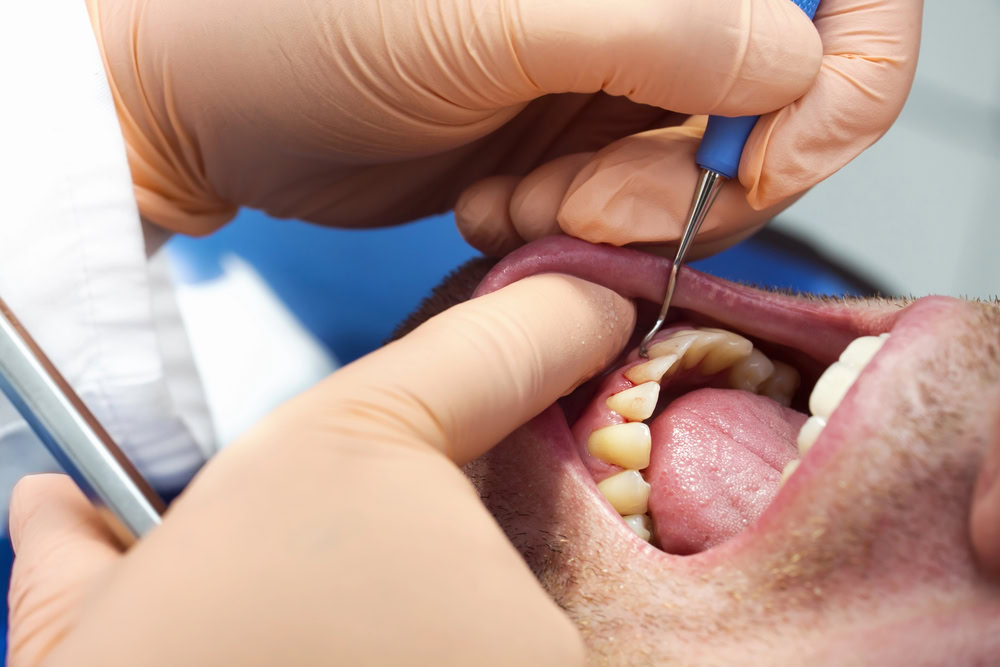
A knock to the face, a fall, or a sporting accident can sometimes push a tooth out of its normal position without knocking it out completely. It might look tilted, sit higher or lower than the teeth around it, or feel loose when you touch it with your tongue. The instinct for a lot of people is to try to nudge it back into place themselves.
What You Need to Know
- A tooth pushed out of position after an injury needs professional assessment, not a DIY fix.
- Splinting holds a moved tooth in place while the surrounding tissue has a chance to heal.
- Splint duration can vary depending on the type and severity of the injury.
- Nerve testing after trauma is often repeated over time, since damage isn’t always obvious straight away.
What Does It Mean When a Tooth Is “Pushed Out of Position”?
In dental terms, this is often referred to as a luxation injury. Depending on the direction and force of the impact, a tooth might be pushed sideways, forward, backward, or even further into the socket than usual. The ligament and tissue holding the tooth in place can be stretched, torn, or bruised, even if the tooth itself looks structurally fine.
Because the damage isn’t always visible from the outside, it’s not something to assess by feel alone. A dentist will usually want to examine the tooth, the socket, and the surrounding gum before deciding on next steps. Healthdirect’s page on dental injury has some helpful general background on this if you’d like to read more before your visit.
Why Splinting Instead of Just Repositioning?
Stabilising a Moved Tooth
Once a tooth has been carefully repositioned by a dentist, it needs to be held still while the ligament and bone around it have a chance to heal. This is where splinting comes in. A splint typically involves a thin wire or resin material bonded across the displaced tooth and the healthy teeth beside it, holding everything in a stable position without needing to rely on the patient keeping perfectly still.
Splinting also allows the dentist to keep an eye on the tooth over the following weeks, rather than treating the injury as a one-off fix.
Why This Isn’t a DIY Fix
Pushing a tooth back into place without a proper assessment can risk further damage to the root, the nerve, or the surrounding bone, particularly if the extent of the injury isn’t fully understood. It can also make it harder for a dentist to judge exactly how far the tooth was displaced in the first place. Repositioning is generally something a dentist carries out under controlled conditions, using their assessment of the injury to guide how much movement is needed and how the tooth should be stabilised afterward.
If you or someone else has a tooth that’s clearly out of position, the more useful immediate step is to avoid touching or biting on it, and to get to an emergency dentist as soon as you reasonably can.
How Long Does a Splint Typically Stay in Place?
Splint duration can vary quite a bit depending on the type of injury, how severe the displacement was, and how the tooth responds during follow-up visits. Your dentist will determine what’s suitable for your specific situation rather than applying a fixed timeframe to every case. Some splints are kept in place for a shorter period, while others may need longer, and this is something your dentist will discuss with you directly as treatment progresses.
Why Nerve Testing Matters After Trauma
What Nerve Testing Involves
After a tooth has been displaced, the nerve inside it (the pulp) can be affected even if the tooth looks otherwise fine. Dentists often use nerve, or pulp vitality, testing to check whether the nerve is still responding as expected. This might involve a cold test, an electric pulp test, or simply monitoring the tooth’s colour and how it responds to gentle tapping over time.
Why It’s Checked Over Time, Not Just Once
A tooth’s nerve doesn’t always show signs of trouble right away. In some cases, changes only become noticeable weeks or months after the original injury. That’s why nerve testing after trauma is usually repeated at follow-up visits rather than done just once immediately after treatment. It gives your dentist a clearer picture of how the tooth is healing and whether any further treatment, such as root canal therapy, may become suitable later on.
Common Causes of a Displaced Tooth
Tooth displacement usually happens suddenly and without warning. Some of the more common causes include:
- A fall, particularly among young children learning to walk or run
- Contact sports played without a mouthguard
- A direct knock or blow to the face
- Biting down hard on an unexpected object, such as a stone in food
Recognising how the injury happened can help your dentist understand the likely direction and force involved, which feeds into how they assess and manage the tooth.
What to Do If a Tooth Feels Loose or Out of Place After an Injury
If you notice a tooth has shifted after a knock or fall, a few practical steps can help before you’re seen. It’s also worth reading through what counts as a dental emergency if you’re unsure how serious the injury is, whether you’re closer to St Marys, Mount Druitt, or Penrith:
- Avoid biting down on the affected tooth or touching it more than necessary.
- Apply a cold compress to the outside of the face if there’s swelling.
- If the tooth is very loose, gently biting on a clean cloth can help keep it stable on the way to the clinic.
- Contact a dental clinic as soon as possible rather than waiting to see if it settles on its own.
Frequently Asked Questions
Can I Push a Displaced Tooth Back Into Place Myself?
It’s best not to attempt this at home. Repositioning a tooth without a proper assessment can risk further damage to the root or surrounding tissue. If you’re near St Marys and a tooth has been pushed out of position, it’s worth contacting a dentist promptly rather than trying to fix it yourself. This is general information only and isn’t a substitute for a professional assessment.
How Do I Know If a Tooth Injury Needs Urgent Attention?
Signs like visible movement, significant pain, bleeding from the gum, or a tooth that looks noticeably out of alignment are all reasons to see an emergency dentist as soon as possible. Patients in Mount Druitt and surrounding suburbs are welcome to call ahead and describe the injury so the clinic can advise on timing.
Does a Splinted Tooth Always Recover Fully?
Recovery can vary between individuals depending on the severity of the injury, how quickly it was treated, and how the tooth responds during follow-up. Your dentist will monitor the tooth over time and let you know if further treatment becomes suitable.
Why Does My Dentist Want to See Me Again After the Splint Is Fitted?
Follow-up visits allow your dentist to check how the tooth and surrounding tissue are healing, carry out nerve testing where needed, and confirm the splint is still doing its job. Even if the tooth feels fine, these reviews are a normal part of managing a dental injury, whether you’re coming from Penrith or closer to the clinic.
What Happens After the Splint Is Removed?
Once your dentist decides the splint is no longer needed, they’ll usually check the tooth’s stability and may continue monitoring nerve health for some time afterward, since some effects of trauma can take longer to become noticeable. Treatment suitability depends on individual circumstances, so your dentist will guide you through what to expect next.
Had a Tooth Pushed Out of Position? Get It Checked Promptly
A displaced tooth isn’t something to manage at home, even if it doesn’t feel especially painful. The team at Western Sydney Smiles can assess what’s happened and talk you through what to expect at each stage. If you’re near St Marys, Mount Druitt, or Penrith and a tooth feels out of place after a knock, book online to get it looked at as soon as you can.

Dr. Ramesh is a dedicated dentist in St Marys passionate about providing personalized, high-quality care. With years of experience and a commitment to continuous learning, he specializes in a range of dental treatments, ensuring patients achieve optimal oral health and confident smiles.


