A knock to the mouth, a fall, or even biting down on something hard can leave a front tooth chipped, cracked, or broken clean through. It’s an unsettling thing to happen, especially when it involves a front tooth you can see every time you smile. If part of the tooth looks pink, red, or is actively bleeding, there’s a good chance the nerve inside the tooth, known as the pulp, has been exposed.
What You Need to Know
- A pink or reddish spot on a broken tooth can mean the nerve, or pulp, is exposed.
- Fracture depth affects how urgently the tooth needs to be seen and what treatment may be suitable.
- Leaving an exposed nerve unassessed increases the risk of infection over time.
- Follow-up reviews after treatment help track how the tooth is healing.
What Does It Mean When a Broken Tooth Exposes the Nerve?
Every tooth has a hard outer layer of enamel, a softer layer underneath called dentine, and a central area containing nerves and blood vessels, called the pulp. A minor chip usually only affects the enamel. A deeper fracture can reach the dentine, and in more significant breaks, it can expose the pulp itself.
Once the pulp is exposed, it’s no longer protected from bacteria in the mouth. This doesn’t necessarily mean something serious has already happened, but it does mean the tooth needs to be assessed sooner rather than later. Healthdirect’s general information on dental injury covers this in a bit more depth if you’d like some background reading before your appointment.
How Deep Is the Fracture? Why Assessment Matters
Not every broken front tooth is the same, and treatment suitability depends on individual circumstances, including how far the fracture extends.
Signs the Pulp May Be Exposed
A few signs can point to nerve exposure, though only a dentist can confirm it:
- A pink or reddish area visible on the broken surface of the tooth
- Bleeding from the tooth itself, rather than just the gum
- Sensitivity to hot, cold, or air on the affected tooth
- Sharp pain when biting down or touching the tooth
It’s worth noting that a tooth can sometimes look fine on the surface while still having damage underneath, which is part of why a proper assessment matters so much.
What Happens During a Fracture Depth Assessment
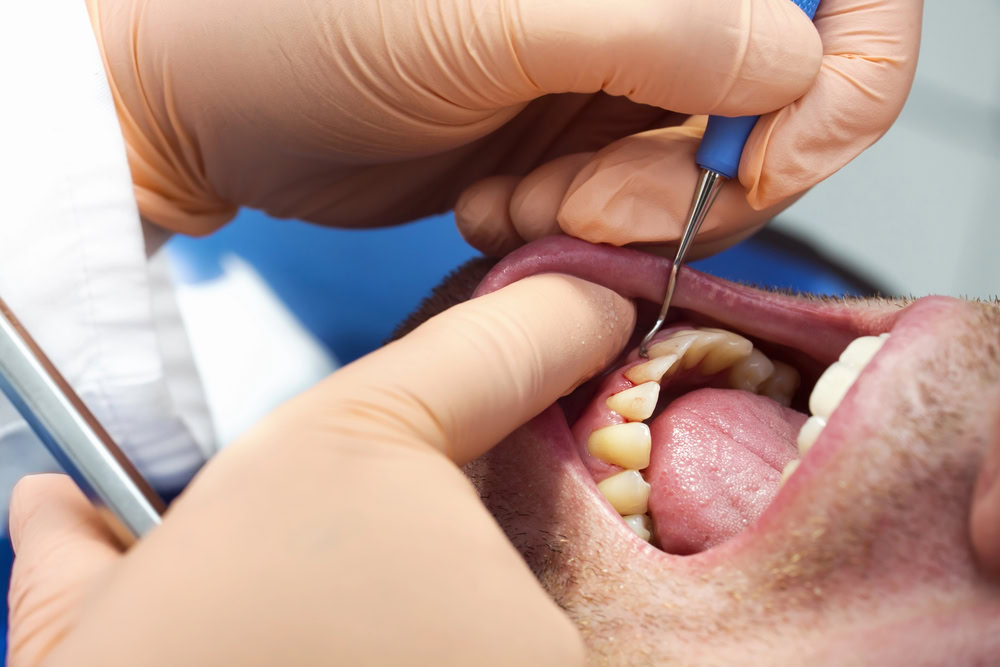
When you see an emergency dentist for a broken front tooth, they’ll usually examine the tooth visually, check for sensitivity, and may take an X-ray to look at what’s happening beneath the surface, including the root and surrounding bone. This helps determine how deep the fracture goes and what treatment options may be suitable for your specific situation.
Why Pulp Exposure Is Treated as Urgent
An exposed nerve is more vulnerable to infection than a tooth with an intact surface, and bacteria can potentially travel down into the root over time if the tooth isn’t assessed and managed. This is why dental clinics generally treat visible pulp exposure as something to look at promptly rather than waiting.
That said, urgency doesn’t mean panic. It simply means it’s best to arrange to see a dentist as soon as reasonably possible, rather than leaving it for weeks.
What Treatment Might Involve
Every case is different, and your dentist will only be able to confirm suitable options once they’ve assessed the tooth in person.
Immediate Care
In the short term, your dentist may focus on protecting the exposed area, managing any discomfort, and checking whether the tooth’s blood supply and surrounding structures have been affected by the injury.
Possible Longer-Term Options
Depending on the depth of the fracture and how the tooth responds, options that may be discussed can include a protective dressing over the pulp, root canal therapy if the nerve tissue has been significantly affected, or a dental crown to restore the shape and strength of the tooth once any underlying treatment is complete. Results and recommended treatment can vary between individuals, so what’s suitable for one patient’s broken tooth may look quite different for another.
What to Expect at Follow-Up Reviews
After initial treatment, front tooth follow-up reviews are a normal part of the process. Your dentist may want to check the tooth again at set intervals to monitor healing, test how the nerve is responding, and make sure no further issues have developed. Even if the tooth feels fine, these reviews matter because some complications can take time to show up.
What Should You Do Right Away If You Break a Front Tooth?
If you’ve just broken a front tooth, a few practical steps can help in the meantime, and this guide to dental emergencies covers a broader range of situations if you’d like more detail:
- Rinse your mouth gently with warm water.
- If you can find a broken fragment, keep it moist in milk or saliva and bring it with you.
- Apply a cold compress to the outside of your face if there’s swelling.
- Avoid very hot, cold, or hard foods until you’ve been seen.
- Contact a dental clinic promptly, even if the pain isn’t severe yet.
Can a Broken Front Tooth Be Prevented?
Not every dental injury is avoidable, but a few habits can lower the risk:
- Wearing a properly fitted mouthguard for contact sports or activities with a fall risk.
- Avoiding using your front teeth to open packaging or bottle caps.
- Being mindful when eating hard foods like ice, boiled lollies, or bones.
- Attending regular check-ups so any existing weaknesses in a tooth can be picked up early.
None of these can guarantee a tooth will never be affected by an accident, but they can reduce how often these injuries happen, particularly for kids and adults playing sport around St Marys and the surrounding suburbs.
Frequently Asked Questions
Is a Broken Front Tooth Always a Dental Emergency?
Not every broken tooth involves nerve exposure, but if there’s visible pinkness, bleeding, or sensitivity, it’s best treated as urgent. Patients in St Marys and nearby suburbs are welcome to call ahead and describe what they’re seeing so the clinic can advise on next steps. This is general information only and isn’t a substitute for an in-person assessment.
Can a Broken Front Tooth Heal on Its Own if the Nerve Is Exposed?
An exposed nerve won’t repair itself the way a scratch on skin might, and leaving it unassessed can increase the risk of infection over time. Seeing an emergency dentist in St Marys as soon as possible gives your dentist the chance to protect the tooth and discuss suitable options with you.
How Long After the Injury Should I See a Dentist?
It’s best to arrange an appointment as soon as reasonably possible, ideally the same day if there’s visible bleeding or exposed nerve tissue. Patients travelling from a dental clinic in Penrith or further afield are welcome to call ahead so the clinic knows to expect you.
Will I Definitely Need a Root Canal if My Tooth’s Nerve Is Exposed?
Not necessarily. Whether root canal therapy is suitable depends on factors like how long the pulp has been exposed and how the tooth responds during assessment. Your dentist will only be able to advise once they’ve examined the tooth, and treatment suitability depends on individual circumstances.
What Happens if I Ignore a Broken Tooth With an Exposed Nerve?
Leaving an exposed nerve without assessment can increase the risk of infection, discomfort, and further damage to the tooth over time. If you’re near Mount Druitt or the surrounding area and unsure whether your situation needs urgent attention, it’s generally worth calling a dental clinic to check rather than waiting it out.
Broken a Front Tooth? Here’s What to Do Next
If you’ve chipped, cracked, or broken a front tooth and you’re not sure how serious it is, it’s worth getting it checked rather than guessing. The team at Western Sydney Smiles sees dental injuries regularly and can talk you through what to expect before your visit. Request an appointment as soon as you can, and bring along any broken fragment if you’ve managed to keep it safe.

Dr. Ramesh is a dedicated dentist in St Marys passionate about providing personalized, high-quality care. With years of experience and a commitment to continuous learning, he specializes in a range of dental treatments, ensuring patients achieve optimal oral health and confident smiles.